Professional Development
Ask a patent librarian before your next product partnership meeting
A patent resource center can help you investigate related inventions and ask better partnership questions. Use the search to learn the technical landscape while keeping legal clearance separate.
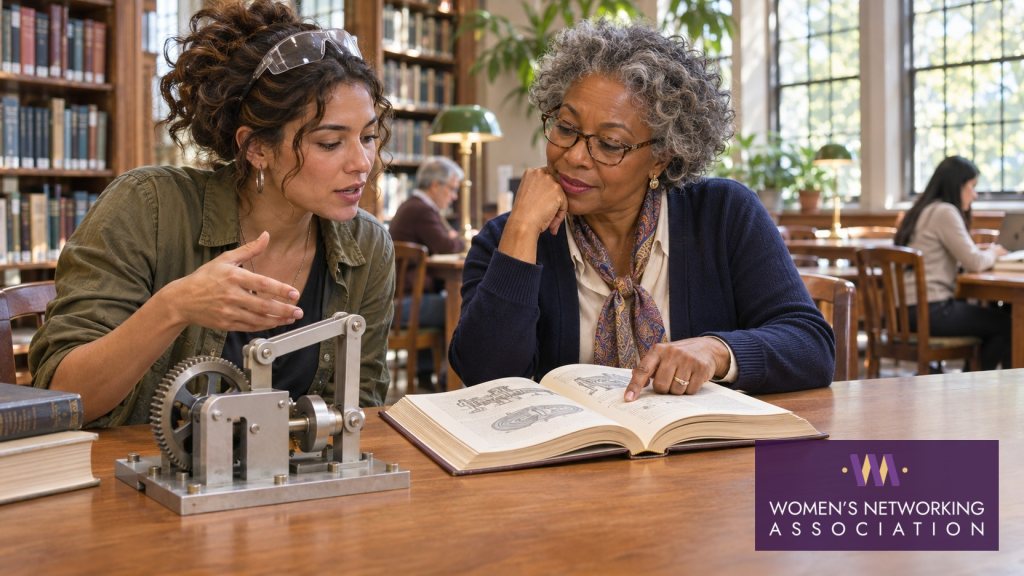
Before approaching a manufacturer or technology partner, it helps to know how others have described a similar problem. Patent documents can reveal technical approaches, useful search terms and organizations working in an area. Learning to search them well can make a partnership discussion more specific.
In the United States, a Patent and Trademark Resource Center, or PTRC, offers a starting point. The U.S. Patent and Trademark Office (USPTO) designates public, academic, and state libraries to provide this assistance. Its representatives teach people how to use search tools and find information; they cannot provide legal advice.
Ask for help with the search process
Use the USPTO’s location directory to identify a resource center and check its current consultation arrangements. Ask whether it offers an appointment, introductory class or remote assistance. Services and scheduling differ, so describe the help you need before assuming a particular format is available.
A useful request explains the product function and asks how to develop a search strategy. For example, a designer exploring a reusable shipping container might want help finding different ways to secure and release its lid. Bring a plain-language, nonconfidential description and an initial list of words you have tried.
An October 2026 USPTO bulletin advertised a librarian-led Patent Public Search workshop. Look for upcoming instruction in the agency’s events calendar or ask a resource center about its sessions.
Search the function as well as the product name
The USPTO’s multi-step search strategy begins with alternative descriptions, then moves from keyword searches to detailed documents, patent classifications and cited references. That is important when everyday product language differs from the terminology in a patent.
For the hypothetical container, search concepts might include closure, latch, locking mechanism and release. A librarian can explain how to combine terms and use classifications to investigate related approaches. These words are starting hypotheses, not an exhaustive search or a claim that a particular invention exists.
Review drawings, descriptions and claims rather than relying on a title or abstract alone. Record what makes a result relevant to your technical question. A document describing a mechanism does not show that it was successfully manufactured or that its claimed benefits were demonstrated in the market.
Broaden the investigation beyond US patent records where appropriate. The USPTO strategy also points to foreign patent publications and nonpatent material such as technical catalogs, conference proceedings and journals. Keep track of which collections and languages you have actually searched.
Keep access checks and a search record
Patent Public Search provides access to US patents and published applications through basic and advanced interfaces. On its November 6, 2026 page update, the USPTO said users would soon need a USPTO account to sign in. Check the latest access instructions before an appointment so you can spend your time on the search.
Maintain a simple record of database, date, terms, classifications and document numbers. Note promising documents and unanswered questions. A later searcher should be able to understand what you covered, rather than receiving a folder of screenshots with no explanation.
- Document: What is its publication number and date?
- Relevance: Which feature or approach does it describe?
- Difference: How does that description compare with the problem you are exploring?
- Unknown: What needs technical verification or professional review?
- Conversation: What specific question should a potential partner address?
Bring questions to the partnership conversation
Your search might help you ask whether a potential partner has experience with a mechanism, what testing would be needed or how its proposed approach differs from published work. Separate what the documents actually say from your own interpretation.
Keep the legal boundary clear. The USPTO describes a preliminary search as potentially less complete than its examination search. A preliminary search is not a determination of patentability, validity, ownership or freedom to operate. Finding no close match does not establish that you can make or sell a product without infringing rights. A librarian’s research assistance does not replace advice from a qualified patent professional about your intended activity and markets.
Finish the preparation with a short technical summary, a reproducible search record and a few focused questions. That gives the prospective partner something concrete to discuss while preserving the distinction between learning about related inventions and clearing a commercial plan.